Discover why drinking enough is essential for your health and how to develop a healthy hydration routine year-round.
Water, tea, coffee, juice – we drink all kinds of liquids daily without giving it much thought. Still, drinking is one of the most fundamental actions for our bodies and our health. The word drinken is deeply rooted in the Dutch language and comes from the Germanic verb that literally means: to take in liquid. In 2026 we are more aware than ever of the importance of good hydration, but many still struggle to develop healthy drinking habits. This article takes you on a journey through the world of mindful drinking – from the science behind it to practical tips for getting enough fluids each day.
The importance of daily drinking for your body
Our bodies are about sixty percent water. Every cell, tissue, and organ needs fluid to function optimally. If you drink too little, you'll quickly notice small signals: headache, fatigue, a dry mouth, or reduced concentration.
Water plays a leading role in countless bodily processes. It regulates your body temperature, transports nutrients to cells, removes waste products, and protects your joints and organs. Even your brain function is directly linked to your fluid balance. Studies show that a fluid deficit of just two percent already has measurable effects on cognitive performance.
How much should you actually drink?
The well-known "two liters a day" rule is a useful guideline, but the reality is more nuanced. Your fluid needs depend on several factors:
Body weight: larger people need more fluids
Activity level: exercising significantly increases your fluid needs
Climate and season: you sweat more in hot summers
Nutrition: vegetables and fruit also provide fluids
Health: fever or certain conditions require more hydration
A practical formula is about thirty to thirty-five milliliters per kilogram of body weight. For someone weighing seventy kilograms, that comes to 2.1 to 2.5 liters per day. Mijnwoordenboek shows various example sentences using the verb drinken, from simple everyday contexts to more specific situations.
Different ways of drinking throughout the day
The timing of when you drink is almost as important as the amount. Your body can't store all the fluid at once, so drinking small amounts regularly works better than taking a large gulp occasionally.
Always start your day with a glass of water after getting up. During the night you lose fluid through breathing and perspiration, and your kidneys keep working. A glass of water on an empty stomach helps kick-start your body and activates your digestion.
Drinking around meals
Many people mainly drink during meals. That’s fine, but also spread your fluid intake between meals. Drink a glass of water half an hour before you eat – this helps prepare your digestion and prevents confusing thirst with hunger.
Try this drinking routine:
Upon waking: 250 ml water
Mid-morning: 250 ml (coffee, tea or water)
Before lunch: 200 ml
During lunch: 200 ml
Afternoon: 300 ml
Before dinner: 200 ml
During dinner: 200 ml
Evening: 200-300 ml
Timing
Amount
Type of drink
Benefit
Morning
250 ml
Water
Activates body
Before lunch
200 ml
Water/tea
Prevents eating from thirst
Afternoon
300 ml
Water/infused water
Energy during a slump
Evening
200 ml
Herbal tea
Relaxation
What counts as drinking?
Not all liquids are equal when it comes to hydration. Water is the foundation, but other drinks also contribute to your daily fluid intake. The verb drinken conjugation has different forms – ik drink, jij dronk, wij hebben gedronken – and the drinks you can choose are just as varied.
Tea and coffee are often unfairly dismissed as sources of hydration. Although caffeine has a mild diuretic effect, the fluid intake and health-promoting compounds more than compensate. Green tea, herbal tea and black tea are excellent choices.
Healthy alternatives to water
Some people find plain water boring. Fortunately, there are tasty alternatives:
Infused water with cucumber, lemon or mint
Unsweetened herbal tea (hot or cold)
Coconut water for a natural electrolyte boost
Fresh vegetable juices (in moderate amounts)
Broth or clear soups
Less suitable options are soft drinks, energy drinks and fruit juices with added sugars. These do provide fluid but contain many empty calories. Alcoholic beverages are even detrimental – alcohol extracts fluid from your body.
Drinking during sport and exercise
During physical activity you lose significantly more fluid through sweating. The general rule is to drink an extra 500 to 1,000 milliliters per hour of intense effort. For optimal athletic performance it is crucial to drink before, during and after exercise.
Before you train: drink about five hundred milliliters two to three hours beforehand. This gives your body time to absorb the fluid and excrete excess before you start. Fifteen minutes before training another two hundred milliliters can help.
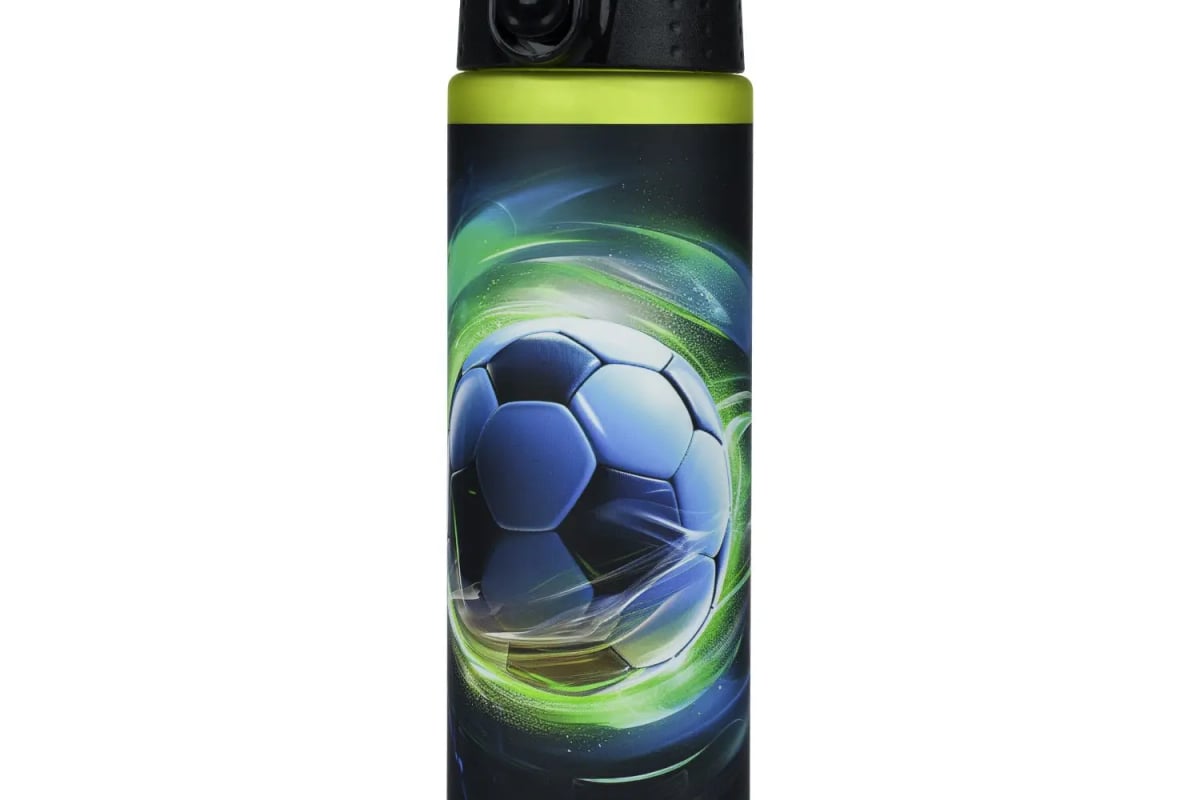
When drinking during sports, timing is essential. Don’t wait until you’re thirsty — that’s already a sign of early dehydration. Take small sips every fifteen to twenty minutes. For those who often exercise or work outdoors, a sturdy water bottle is indispensable. The Baagl Water Bottle with a 700 ml capacity is perfect on the go: the BPA-free material is safe, the closable lid prevents leaks, and the handy carry strap makes transport easy.
Recovery after exertion
After exercise, drinking is just as important as during. You want to replace fluid loss and support your recovery. Weigh yourself before and after intense workouts — each kilogram lost is about one liter of fluid loss. Drink one and a half times that loss back within two hours after your workout.
For recovery, drinks with a bit of sodium (salt) and carbohydrates work better than plain water. Chocolate milk is surprisingly effective, but a sports drink or broth also does the job. The Dutch verb drinken has many contexts, from the simple glass of water to special sports drinks.
Developing seasonal drinking habits
Your fluid needs vary with the seasons. In summer drinking seems obvious — the heat causes thirst and you naturally reach for a refreshing glass of water. But in winter your thirst often decreases, while your body still needs enough fluid.
Winter hydration
Cold winter days and warm indoor heating create a dry environment. You exhale moisture faster into the cold air, and central heating dries out the air (and your body) even more. Hot drinks are your best friend during this time:
Fresh ginger tea with honey
Warm lemon water with cinnamon
Golden milk (turmeric latte)
Clear vegetable soups
Herbal tea variations
Warm drinking has an extra benefit: it temporarily raises your body temperature and can help you warm up. For those learning Dutch, the verb drinken is an essential basic word that appears in many everyday situations.
Season
Challenge
Solution
Recommended extra
Summer
Heat, sweating
More water, coconut water
+500-1000 ml
Winter
Dry air, less thirst
Hot drinks, soups
+200-300 ml
Spring
Allergy, menopause
Herbal tea, hydration
Normal
Autumn
Changing weather
Variation warm/cold
Normal
Maintaining a drinking routine with practical aids
Knowing you should drink is one thing, actually doing it is another. A structured approach helps a lot. Many people use apps or reminders on their phone, but there are also more low-threshold methods.
The bottle method is simple but effective. Fill a large bottle in the morning (for example 1.5 liters) and make sure it’s empty by the end of the workday. Each time you pass it, take a few sips. This visualizes your progress and motivates you.
Another method is the hourglass technique: drink a small glass of water every hour. Tie it to existing habits – after each bathroom visit a glass, at each coffee break also water, before each phone call drink first.
Tracking drinking with a calendar
For those who value structure and overview, a calendar or diary can help. Cross off each day you meet your drinking goal. This creates visual motivation and shows patterns. In 2027, more people use planners and calendars not only for appointments but also for health habits and personal goals. Kalenderwinkel.nl offers a wide range of calendars where you can easily track daily habits.
Recognizing signals from your body
Your body constantly communicates its fluid needs. Learn to recognize these signals and you will naturally drink better. Thirst is the most obvious signal, but not always the most reliable – especially older adults and children feel thirst less strongly.
Other signs of dehydration:
Dark urine (healthy is light yellow to almost colorless)
Headache or dizziness
Dry lips and mouth
Fatigue without an obvious reason
Decreased concentration
Less frequent trips to the toilet
The urine test is a reliable daily check. If your urine is dark yellow or even orange, drink more immediately. If it’s light yellow or clear, you’re fine. Note: some vitamins (especially B complexes) can make your urine bright yellow without indicating dehydration.
Avoiding overhydration
Drinking too much can also occur, although it is rare in healthy people. Water intoxication happens when you drink large amounts of water in a short time without replacing electrolytes. This dilutes the sodium level in your blood and can be dangerous.
Normal daily hydration does not lead to this. The risk mainly occurs during extreme endurance sports or when people drink several liters within one hour. Spreading intake is key – your kidneys can process about one liter per hour.
Drinking for different life stages
Your fluid needs change throughout your life. Children need relatively more fluid per kilogram of body weight than adults. They are more active, have a faster metabolism, and often forget to drink while playing.
Tips for children and drinking:
Make it fun with colorful straws or funny cups
Set a good example by drinking regularly yourself
Ensure easy access to water (low tap, personal bottle)
Vary with milk and unsweetened fruit juices (in moderation)
Offer water at every meal and in between
Pregnant women need extra fluids — about two hundred to three hundred milliliters more than usual. With breastfeeding this rises to as much as seven hundred milliliters extra per day. The body uses this fluid to produce amniotic fluid and breast milk, respectively.
Older adults and hydration
As we age, our sense of thirst decreases. At the same time, the kidneys function less efficiently and the skin loses more moisture. This makes older people vulnerable to dehydration. Medication use can intensify this — many prescribed drugs have a diuretic effect.
Older people should deliberately develop a drinking routine, independent of their sense of thirst. Regular times — on waking, before each meal, when taking medication — help with this. The verb drinken in al zijn vormen remains important throughout all life stages.
Combining drinking with a healthy lifestyle
Good hydration doesn't stand alone. It's part of a broader picture of healthy living. Your diet, sleep, exercise, and stress management all affect how effectively your body uses fluids.
Foods with a high water content support your hydration. Think of:
Cucumber (96% water)
Watermelon (92% water)
Strawberries (91% water)
Lettuce (95% water)
Tomatoes (94% water)
Zucchini (94% water)
These foods not only provide fluids but also vitamins, minerals, and fiber. A salad at lunch or fruit as a snack can contribute to your daily fluid intake.
Sleep and hydration
You also lose fluid at night, mainly through breathing. A well-hydrated body sleeps better — your muscles relax more easily and your body can recover more efficiently. On the other hand, drinking too much right before bed can disrupt your sleep with nighttime bathroom visits.
Balance is important: stop drinking large amounts one and a half to two hours before bedtime, but make sure you've drunk enough throughout the day. A small glass of water on your bedside table is handy if you wake up at night with a dry mouth.
Debunking myths about drinking
There are many misunderstandings circulating about hydration. Time to separate fact from fiction.
Myth 1: "You must drink eight glasses of water a day" The origin of this rule is unclear and not scientifically supported. Your fluid needs are personal and depend on many factors. Two to three liters of total fluid intake (including food) is a better guideline.
Myth 2: "Coffee doesn't count because it dehydrates" Although caffeine has a mild diuretic effect, research shows that the hydration from coffee offsets the fluid-loss effect. Regular coffee drinkers even develop tolerance. Coffee simply counts toward your daily fluid intake.
Myth 3: "You can't drink too much water" Water intoxication is rare but real. Drinking an extreme amount in a short time can be dangerous. Listen to your body and spacing is key.
Myth 4: "Yellow is bad" Light-yellow urine is normal and healthy. Only dark yellow to orange urine indicates dehydration. Completely clear urine can even mean you are drinking too much.
Drinking and your daily planning
Integrate drinking into your daily routine by linking it to fixed moments. Start with a morning ritual: before your coffee or tea, have a glass of water. This activates your body and compensates for overnight fluid loss.
At work you can set a reminder every hour. Walk to the water cooler or kitchen, stretch your legs and drink at the same time. These short breaks not only increase your fluid intake but also improve your focus and productivity. Movement and hydration go hand in hand.
For remote workers, a filled water carafe on your desk is ideal. You constantly see your goal and can easily refill. Alternate between cold and warm water, add lemon or mint for variety. It makes drinking more interesting.
Weekly planning for better hydration
At the start of each week, plan your drinking goals. Note special circumstances: a long bike ride on Saturday requires extra hydration, a day in the office with many meetings calls for deliberate drinking breaks. Planning ahead prevents you from playing catch-up.
Use a weekly planner to spot patterns. Which days go well, which less so? Are there recurring challenges? These insights help you adjust your habits. For systematically tracking habits, a clear planner or calendar for 2027 can be valuable.
Drinking enough isn't complicated, but it does require conscious attention and good habits. By recognizing your body's signals, developing a personal routine, and using practical tools, hydration becomes second nature. Whether you want to improve your sports performance, increase your concentration, or simply live healthier — it starts with that one glass of water. For planning and tracking your health habits in 2027, Kalenderwinkel.nl offers a wide range of calendars and planners so you can stay organized every day and reach your goals.