Discover why a puzzle book is the perfect combination of relaxation and mental stimulation. Tips for choosing one, themes, and how to use it.
A rainy Sunday afternoon in January. The Christmas rush is over, the resolutions for 2026 are still fresh, and winter rages outside. At times like these I reach for my puzzle book. Not just a pastime, but a trusted companion that has accompanied me for years during waiting times, train journeys, and quiet evenings. I'm always amazed how such a simple book full of riddles and brainteasers can give so much satisfaction. While the digital world continues to roar around us, a puzzle book offers that tangible pause we all long for.
The timeless appeal of the puzzle book
Why we keep puzzling
The popularity of the puzzle book knows no age limit. From children solving their first word search to seniors completing their crossword daily, everyone finds something in it. This appeal is not new. Since the 1970s, puzzle books have been a fixture in Dutch living rooms, waiting rooms, and holiday bags.
What makes puzzling so satisfying?
The immediate feedback when you solve a puzzle
The feeling of progress with every filled-in square
The mental challenge without competition
The opportunity to disconnect from screens for a while
Recoverability: a mistake is not a disaster, you just start again
Scientific research has shown that puzzling contributes to cognitive health. It keeps our brains active and can even help improve problem-solving skills and concentration.
From brainteaser to work of art
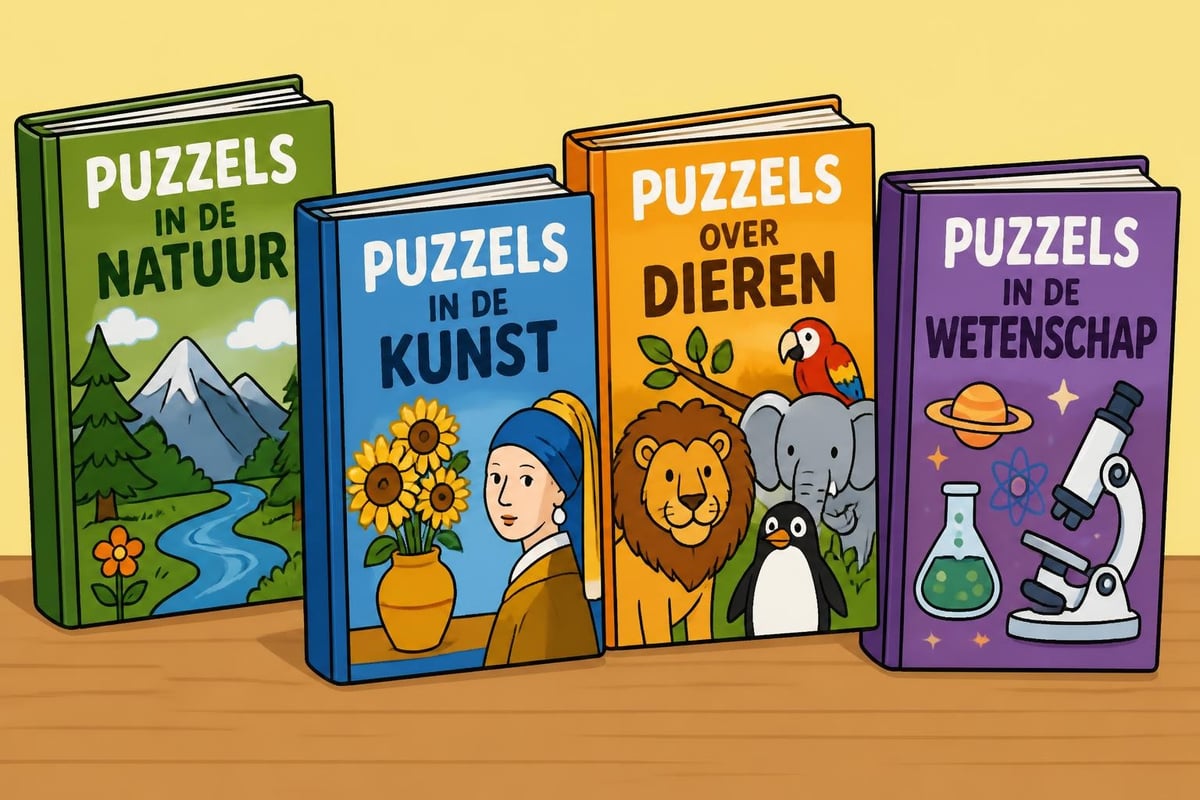
Modern puzzle books are much more than just a collection of crosswords. They have become thematic experiences. The Rijksmuseum Puzzle Book, for example, combines culture with brainteasers by weaving beautiful artworks into challenging questions and puzzles. This makes puzzling an educational journey through Dutch art history.
Nature lovers are also catered for with the Nature Puzzle Book, which focuses on Dutch flora and fauna. This development shows how the puzzle book has evolved from simple entertainment to meaningful pastime.
Choosing the right puzzle book
For every level and interest
The choice of puzzle books is overwhelmingly large. What should you pay attention to when buying one? The most important question is: who is it intended for and what is the level?
Level
Features
Suitable for
Beginner
Simple word searches, easy sudokus
Children from 6 years old, seniors who are starting
Average
Varied puzzles, moderate difficulty
Regular puzzlers, daily use
Advanced
Cryptograms, complex logic
Experienced puzzlers, challenge seekers
Expert
Thematic puzzles, multi-day riddles
Professional puzzlers, competition
For young children the Peter Rabbit Puzzle Book is an excellent introduction. It combines familiar stories with puzzles adapted to their reading level and attention span. For older children the Mission Masterpiece Puzzle Book offers a fascinating mix of art and science.
Thematic collections
In 2026 we see strong growth in thematic puzzle books. Just as people choose a Herbarium calendar because of their love of flowers, puzzlers now choose books that match their passions.
Art and culture: inspired by masters like Michelangelo or Sorolla
Travel and geography: perfect for those who dream of distant destinations
Science and technology: for the analytical thinker
Seasons and holidays: fitting the time of year
This thematic approach makes the puzzle book not just a pastime but also a way to further explore your interests.
Puzzling through the year
Each season its own challenge
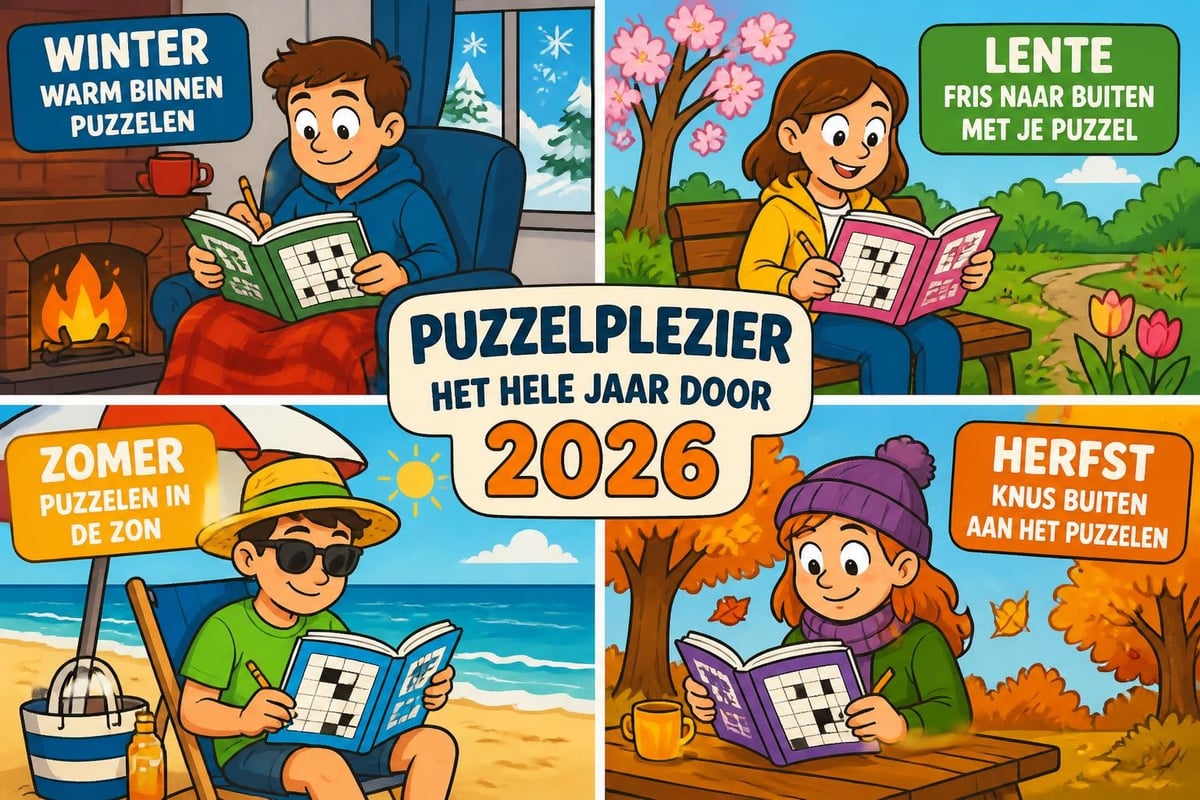
A puzzle book is not a one-time purchase but can guide you throughout the year. In January, when the days are still short and many of us are working on our resolutions, a puzzle book offers the perfect mental workout. It's like fitness for your brain, but without the sweat.
In spring and summer the character changes. Then you take your puzzle book to the park, the campsite, or the beach. It becomes a social activity when families solve puzzles together on holiday. I still remember how my grandmother bought her new puzzle book every July, specially for the two weeks at the seaside.
Seasonal puzzle moments:
Winter: long evenings by the fireplace
Spring: on the train during the commute
Summer: on the terrace with a cool drink
Autumn: Sunday afternoons when it's raining outside
Combining with other hobbies
It’s interesting how puzzling pairs with other interests. People who enjoy a Blessed Artists coloring book often also appreciate puzzle books with visual elements. The focus and calm that coloring provides is also found in systematically solving puzzles.
This combination of activities creates a richer leisure time. After an intense puzzle session you can relax with a Peaceful Paisleys coloring book, keeping your brain active in a different way.
The social dimension of puzzling
Puzzling together connects
Although puzzling is often seen as a solitary activity, it has a surprisingly social side. Puzzle clubs are popping up everywhere, and families make a weekly ritual of tackling a difficult cryptogram together.
In care homes and hospitals puzzle books have become indispensable. They provide not only distraction but also a conversation starter between residents or patients. A puzzle book can build bridges between generations when grandchildren help their grandparents with a modern sudoku.
Competitions and challenges
The competitive side of puzzling is growing. In 2026 libraries and community centers regularly host puzzle events where teams compete. This development has completely changed the image of the dusty puzzle book. Puzzling has become trendy, much like the board game revival.
Puzzle books and digital alternatives
The best of both worlds
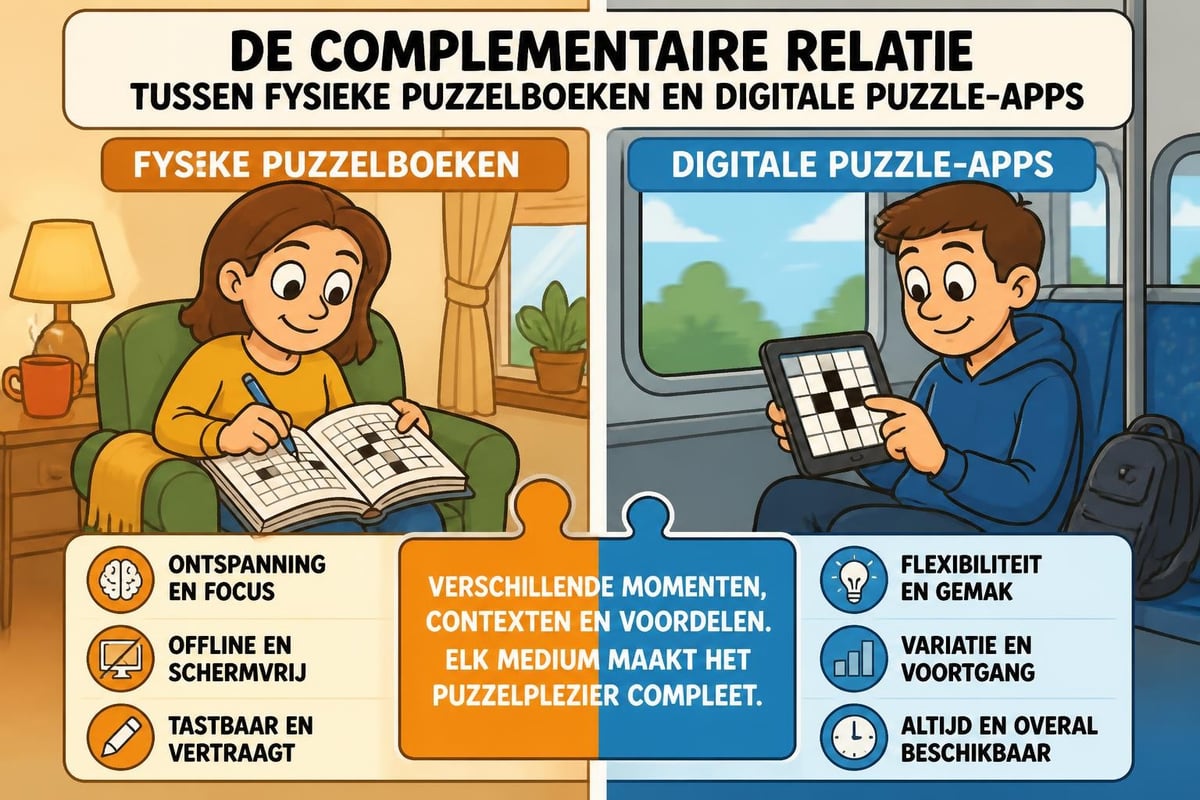
We live in a time where puzzle apps are available everywhere. Yet the physical puzzle book endures. Why? The tangible aspect plays a big role. Turning a page, the satisfying scratch of a pen, seeing your progress—these sensory experiences a screen cannot match.
Aspect
Physical puzzle book
Digital puzzle app
Eye strain
Minimal
Significant after long use
Battery required
No
Yes
Shareability
Simple
Limited
Progress visible
Immediate
Via screens
Price
One-time
Often subscription-based
Location-independent
Full
Depends on battery
That doesn’t mean digital puzzles are worthless. They complement each other. Some people use apps for quick puzzles on the go and save their puzzle book for quiet moments at home.
Puzzle books as gifts
The perfect thoughtful gift
A puzzle book is a thoughtful gift that shows you know the recipient. For the nature lover choose a nature theme, for the art lover something with paintings. It’s personal without being intrusive.
During the holidays there's a spike in puzzle book sales. They fit perfectly in a Christmas stocking or as an addition to a larger gift set. Paired with a nice pen or pencils it becomes a complete package.
Popular times to give puzzle books:
Birthdays (all ages)
Sinterklaas and Christmas
Holiday preparation
Recovery after illness or surgery
Retirement
Study or exam stress
Investing in your brain
Long-term benefits of puzzling
Working regularly with a puzzle book is more than a pastime. Studies show that people who puzzle daily retain their cognitive functions longer. It's preventive maintenance for your brain, similar to how exercise keeps your body healthy.
For students, puzzling offers a welcome break from study material. It activates different parts of the brain and can even help process learned information. The concentration required for a complex puzzle trains your focus, which in turn helps when studying difficult material.
Seniors often find that regular puzzling keeps their memory sharp. It's an accessible way to stay mentally active without the pressure of social obligations or physical exertion.
A sustainable choice
In times when sustainability is becoming more important, the puzzle book scores well. It's a paper product that lasts a long time, is reusable (family and friends can take it on), and uses no electricity. Just as people consciously choose sustainable calendars or notecards, they also choose puzzle books as eco-friendly entertainment.
Creating the perfect puzzle ritual
Your personal puzzle time
Many devoted puzzlers develop rituals around their hobby. Some start every morning with a crossword with their coffee. Others reserve their puzzle book for the evening as a way to wind down the day. These fixed moments provide structure and something to look forward to.
Creating an ideal puzzle environment enhances the experience. Good lighting is essential – nobody wants to strain their eyes. A comfortable seat, maybe a cup of tea within reach, and your favorite pen or pencil. For many this time of day becomes sacred, a regular appointment with themselves.
Tips for the optimal puzzle time:
Choose a set time that fits your rhythm
Make sure there's good lighting
Eliminate distractions (put your phone away)
Keep it varied – alternate puzzle types
Don't force yourself – puzzling should be relaxing
Track your progress
Some puzzlers keep track of which puzzle books they've completed, which were the most challenging, and which themes they liked best. This can be in a notebook, but also in a diary or even a planner. Just as people keep track of their reading lists, this creates an overview of your puzzle year.
This reflection also helps when choosing your next puzzle book. You learn your preferences and can more deliberately look for new challenges that suit you.
Puzzle books and creativity
Unexpected inspiration
Although puzzling often seems like analytical work, it can also stimulate creativity. Searching for alternative solutions, seeing patterns, and making unexpected connections—these skills are also valuable in creative processes.
Writers sometimes use puzzling as a remedy for writer's block. The structured thinking activity can apparently free the creative mind. Artists also find inspiration in the patterns and structures of puzzles. The geometry of a sudoku, for example, can serve as the basis for an abstract artwork.
This interplay between logic and creativity makes puzzle books versatile tools. They are not just for math whizzes or language fanatics, but for anyone who wants to use their brain in a different way.
The future of the puzzle book
Innovation in a classic medium
The puzzle world is not standing still. In 2026 we see hybrid forms emerging where QR codes in puzzle books link to online extensions. Think video hints, interactive solutions, or community forums where puzzlers share experiences.
Sustainable materials are also gaining ground. Publishers are experimenting with recycled paper and plant-based inks. The market for luxury puzzle books is growing, with high-quality paper and beautiful covers that turn the book into a collector's item.
Personalization is another trend. Companies now offer custom puzzle books that can include your own photos or themes. For special occasions—think anniversaries or team-building—unique, personal puzzle books are created.
The puzzle book has proven to be more than temporary amusement. It is a source of relaxation, mental training and personal satisfaction that transcends generations. Whether you're looking for a way to keep your mind sharp, a gift for a loved one, or simply a moment of calm in a hectic day, the puzzle book offers what you need. At Kalenderwinkel.nl you'll find not only a wide range of calendars and planners for 2027, but also inspiration for meaningful leisure activities. With convenient payment options and reliable shipping via PostNL, DHL or UPS you can quickly get started with your new puzzle adventure.