Discover everything about the Basset Hound: temperament, care, health, and why this dog breed is perfect for families. Read more!
Few dog breeds are as immediately recognizable as the basset hound. With their characteristic long ears, mournful eyes and short legs, these dogs have won the hearts of countless families around the world. But behind that melancholic appearance lies a playful, loyal and surprisingly stubborn personality. Whether you are considering bringing a basset hound into your home or simply want to learn more about this special breed, in this article I will take you into their fascinating world. From their origins as hunting dogs to their role as modern family companions, we dive deep into what makes these dogs so special.
The origin and history of the basset hound
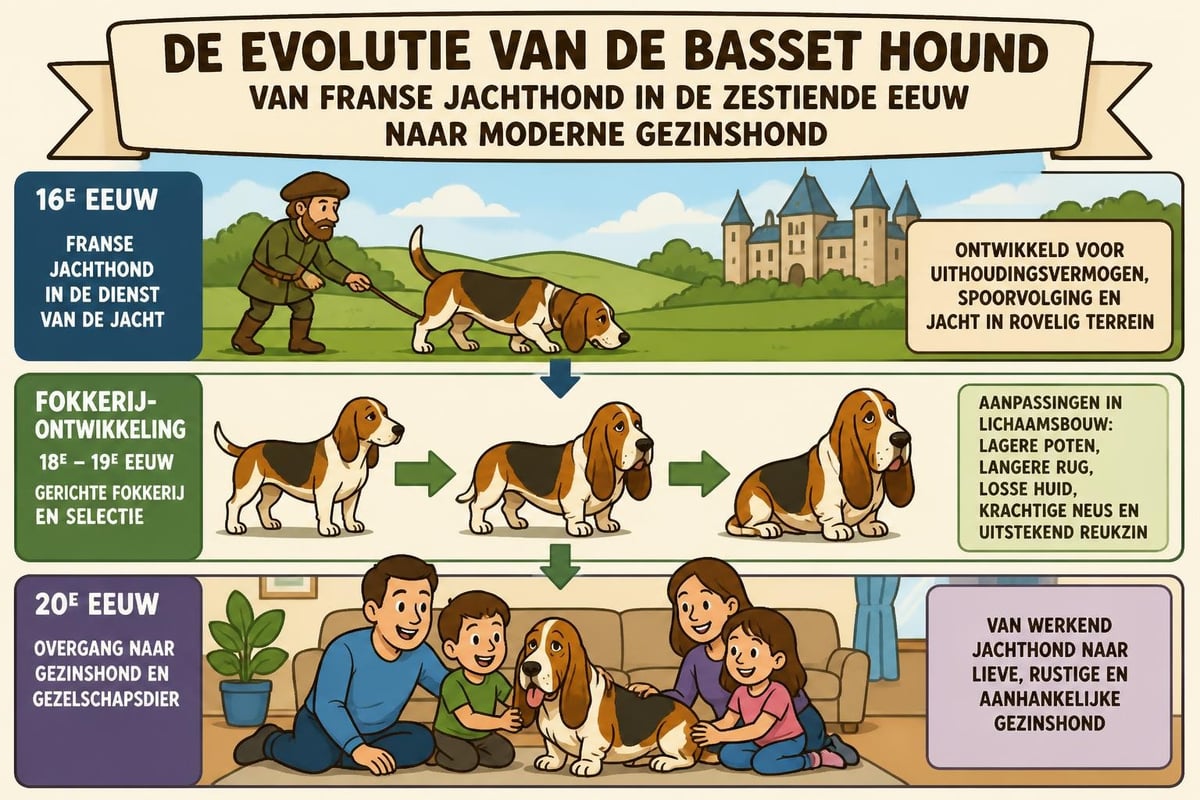
The basset hound finds its roots in sixteenth-century France, where monks sought a hunting dog that could track hares and rabbits. The word "basset" comes from the French "bas," meaning "low," a direct reference to their low stature. This characteristic body shape was no accident but a deliberate breeding choice. Because of their short legs, hunters on foot could easily keep up while the dogs tracked game with their noses to the ground.
From aristocratic hunting dog to beloved everyman
After the French Revolution the basset hound took on a new role. Where hunting had previously been reserved for the aristocracy, it became accessible to ordinary citizens. The basset hound was perfectly suited for people without horses, because they walked slowly enough to follow on foot. In the nineteenth century the breed came to England, where it was further refined into the basset hound we know today.
The American Kennel Club officially recognized the breed in 1885, and since then the basset hound has evolved from a working hunting dog to a beloved companion. Their popularity received an extra boost from media appearances, including the famous Hush Puppies mascot and various film roles that made full use of their charming character.
Physical characteristics and breed standard
The basset hound is a medium-sized breed with a unique body shape that immediately stands out. Males typically weigh between 25 and 34 kilograms, while females are slightly lighter. What they lack in height they make up for in substance: these dogs are heavy-set with strong bones and a muscular body.
Distinctive characteristics
Ears: Extremely long, velvety and set low, they often reach past the nose
Eyes: Sad, reddish-brown or dark brown eyes with a characteristic haw (visible lower eyelid)
Coat: Short, smooth and weather-resistant in various color combinations
Tail: Long, curved and with a white tip (important for visibility during hunting)
Body: Elongated with a deep breastbone that almost reaches the ground
The official breed standard describes a balanced dog with substance, where the long lines and short legs form a harmonious whole. The skin is loose and elastic, resulting in the characteristic folds around the head and the distinctive drooping lips.
Trait
Specification
Function
Withers height
33-38 cm
Low to the ground for scent trails
Weight
20-34 kg
Substance for perseverers
Ear length
Beyond the nose
Directs scent to the nose
Life expectancy
10–12 years
Average for the size
The character and temperament of the basset hound
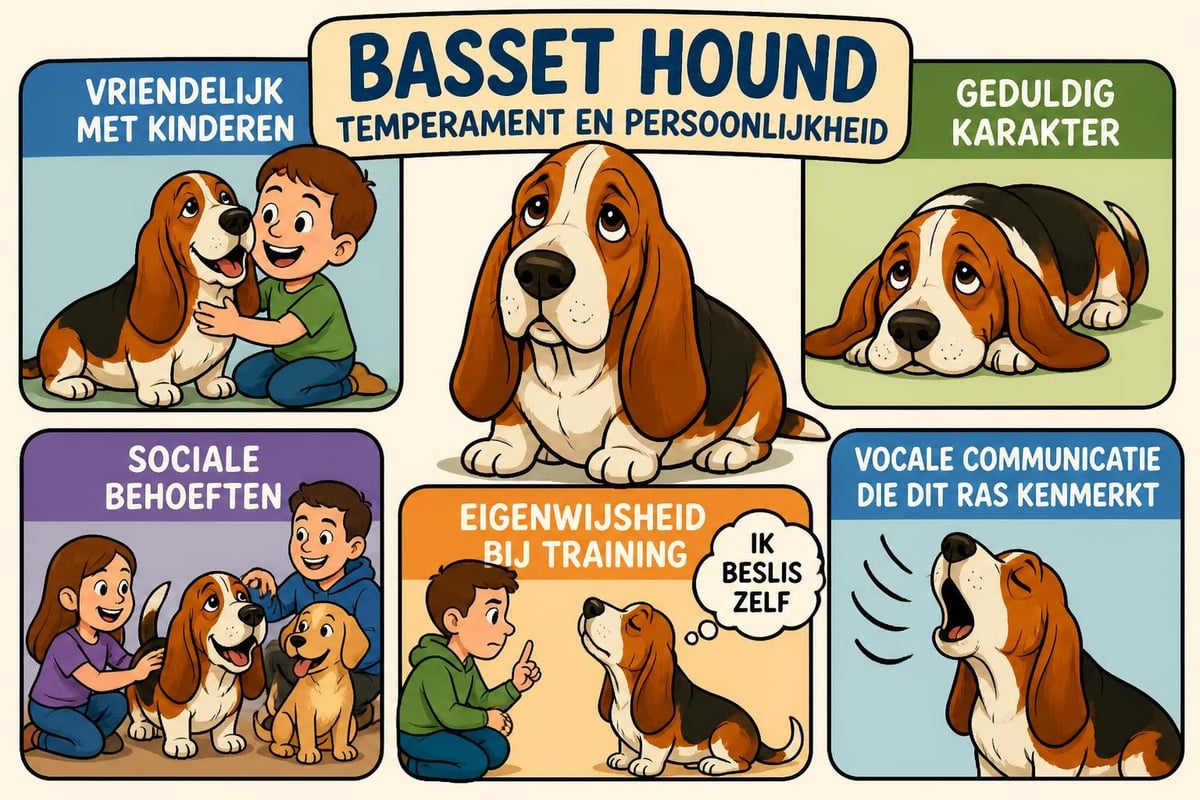
Anyone who meets a basset hound is immediately struck by their calm, friendly appearance. These dogs are true pacanimals who enjoy company, both of people and other pets. Their hunting background has made them patient, persistent workers, but at home they are surprisingly calm and relaxed.
The temperament of the basset hound is characterized by:
Friendliness: Rarely aggressive and excellent with children
Patience: Can wait quietly for long periods
Stubbornness: Intelligent but selectively obedient
Vocal: Communicative with a characteristic howl
Social: Do not like being alone for long
The basset hound in the family
These dogs adapt effortlessly to family life. They are tolerant with children and handle games and commotion with admirable calm. At the same time they can be stubborn when they smell something interesting, a trait from their breeding history as independent hunting dogs. Training requires patience and consistency, with positive reinforcement and treats (in moderation) working best.
An important aspect of their nature is their sociability. Basset hounds are not dogs to leave alone for long periods. They may complain, howl, or show destructive behavior when they feel lonely. For households where people are home often or someone is usually present, they make fantastic companions.
Health and common conditions
Like many purebred dogs, the basset hound has specific health issues owners should watch for. Their unique body structure brings certain challenges, but with proper care these dogs can live healthy, happy lives into their teens.
Ear problems and prevention
The long, drooping ears of the basset hound are beautiful but pose a risk. Limited airflow creates a moist environment where bacteria and fungi thrive. Regular ear checks are essential. Practical grooming tips advise inspecting and cleaning the ears at least weekly with a veterinarian-approved solution.
Joint and back problems
The long back and short legs make basset hounds prone to:
Intervertebral disc disease (IVDD): Herniated discs that can cause pain and paralysis
Elbow dysplasia: Congenital abnormality of the elbow joints
Patellar luxation: Dislocated kneecap
The VCA Hospitals advice emphasizes the importance of weight management to minimize stress on joints. Jumping from heights should be avoided, and stair climbing should be limited, especially for older dogs.
Hereditary conditions
Recent genetic research has identified several hereditary variants in basset hounds. Responsible breeders test for these genetic markers to ensure the health of future generations. Important conditions to be aware of:
Condition
Symptoms
Prevention/Treatment
Bloat (Gastric dilatation)
Swollen abdomen, restlessness
Small meals, rest after eating
Glaucoma
Increased eye pressure, pain
Regular eye check-ups
Von Willebrand disease
Blood disorders
Genetic testing, caution with surgeries
Hypothyroidism
Lethargy, weight gain
Blood test, medication
Nutrition and weight management
One of the biggest challenges with basset hounds is maintaining a healthy weight. These dogs have a love of food and a relatively low energy expenditure, which is a dangerous combination. Overweight worsens back problems and significantly accelerates joint aging.
The WSAVA nutrition guidelines emphasize the importance of regular body condition score (BCS) evaluations. For a basset hound this means you should be able to feel the ribs without excessive pressure, and there should be a visible waist when viewed from above.
Practical nutrition tips
Split the daily portion into two meals to prevent bloat
Use a measuring cup for consistent portions
Limit treats to a maximum of 10% of daily calorie intake
Choose vegetables as treats instead of fatty snacks
Weigh your dog monthly to detect weight changes early
For active basset hounds that, for example, regularly walk or do tracking activities, a higher calorie intake may be necessary. Always consult your veterinarian about the optimal feeding plan, tailored to age, activity level, and health status.
Daily care and grooming
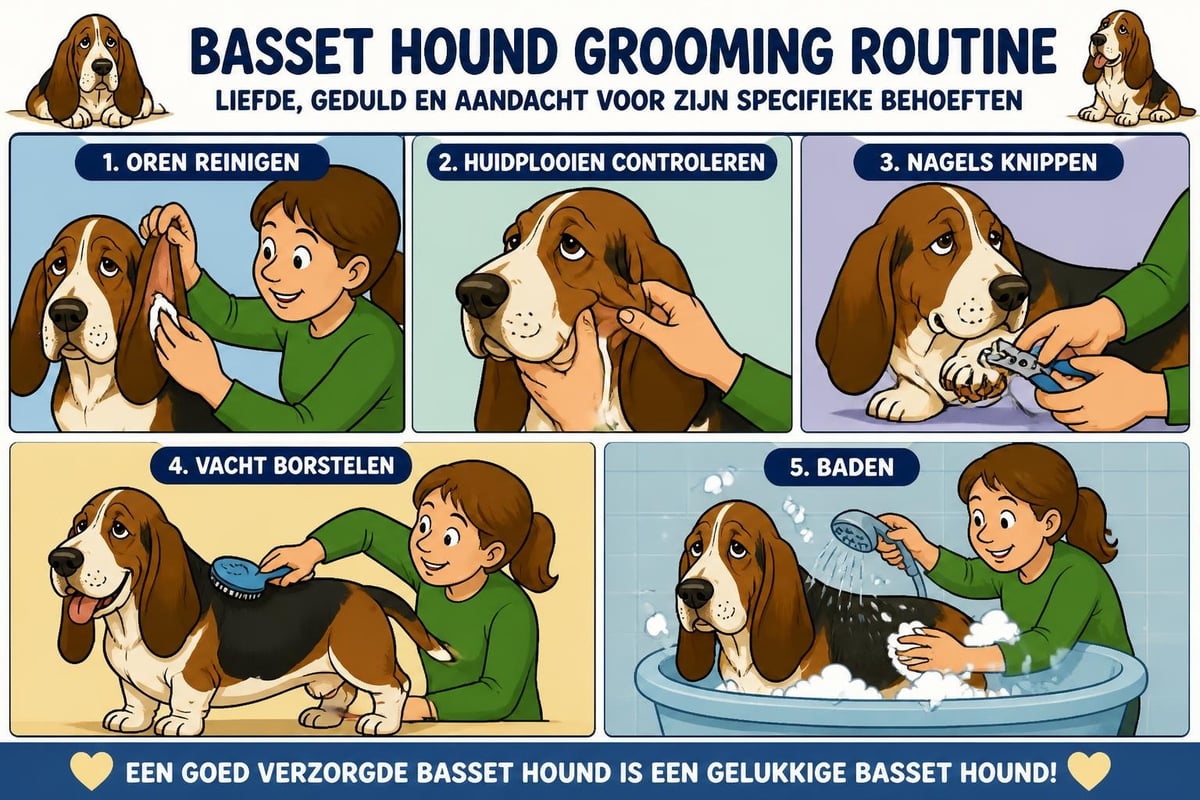
Despite their short coat, a basset hound requires regular care. The loose skin and skin folds can develop irritation and infections if not kept clean. A consistent grooming schedule keeps your dog healthy and comfortable.
Weekly grooming routine
Brushing: Two to three times a week to remove loose hair
Ear check: Inspect weekly and clean if necessary
Skin folds: Check for moisture, redness, or odor
Nails: Trim every 2–3 weeks or wear down through activity
Teeth: Brush daily for optimal oral hygiene
The coat is mostly low-maintenance, but basset hounds do shed, especially during seasonal changes. Regular brushing reduces loose hair in the house and stimulates the skin’s natural oils.
Bath frequency and products
These dogs do not need baths often, typically once every 4–6 weeks or when they get dirty. Bathing too frequently can disrupt natural skin oils. Use a mild dog shampoo and pay extra attention to drying the ears and skin folds.
Exercise and mental stimulation
Although basset hounds seem calm indoors, they need regular exercise to stay healthy. Their hunting instinct means they appreciate mental challenges, but their body structure requires caution with intensive activities.
Recommended daily exercise:
Two walks of 20–30 minutes
Scent games in the yard or during walks
Calm play sessions with other dogs
Moderate pace without jumping or climbing
A basset hound’s nose is their greatest strength. Activities that use their sense of smell, such as tracking or scent work, provide excellent mental stimulation. These dogs can follow a scent trail for hours, but remember this also means they can become distracted by interesting smells during walks.
Safe movement guidelines
Avoid intensive cardio activities like running or cycling alongside a bike. The short legs and long back are not built for prolonged, high-speed activity. Swimming is an excellent alternative because it is low-impact and engages all muscle groups without stressing the joints.
Training and socialization
The basset hound is known as a friendly but stubborn student. Their intelligence is unquestionable, but their willingness to follow commands varies greatly depending on what they find more interesting at the moment, such as a fascinating scent.
Training techniques that work
Positive reinforcement with food rewards is the most effective approach. These dogs are motivated by their stomach, so use this to your advantage during training sessions. Keep sessions short (5–10 minutes) and varied to hold their attention.
Important training points:
Start early with socialization to different people, animals and environments
Practice recall intensively given their tendency to follow scents
Be consistent with rules; they like to test boundaries
Use a long leash during walks until recall is reliable
Accept that perfect obedience is not a trait of this breed
Living with other pets
Basset hounds are naturally social and can live very well with other dogs and even cats when socialized early. Their pack-dog mentality means they are often happier with a canine companion. Be cautious with small pets like rabbits or guinea pigs, as their hunting instinct can be triggered.
The basset hound as a family dog in 2026
In modern family life of 2026 the basset hound holds a unique position. Their calm temperament suits both city apartments (with sufficient walks) and country homes with gardens. They do not require extremely active owners, making them suitable for families with children, seniors or people who work from home.
Considerations for prospective owners
Benefits:
Friendly with children and strangers
Relatively low energy level indoors
Suitable for homes without stairs
Social, convivial companions
Challenges:
Can be stubborn and difficult to train
Prone to health issues
Do not like being alone
Can be vocal (barking, howling)
For families who organize their daily activities, a calendar can be essential to keep track of vet appointments, grooming sessions and exercise times. Just as you might look at different planners on Kalenderwinkel.nl to organize your year, keeping a basset hound also requires planning and consistency.
The basset hound and children
One of the biggest advantages of this breed is their natural affinity for children. Basset hounds are patient, tolerant and playful without being overly energetic. They tolerate clumsy pets and hugs with good-naturedness, although supervision always remains important.
Children can be involved in caring for a basset hound in age-appropriate ways:
Child age
Care tasks
Benefits
4–6 years
Filling the food bowl under supervision
Learning responsibility
7–10 years
Brushing, refilling water bowl
Developing a grooming routine
11+ years
Walking (short distances), training
Independence and bonding
It's important to teach children to respect the dog's signals. When a basset hound goes to its bed, it needs rest. Children should also learn not to disturb the dog while it's eating or when it has a chew toy.
Cost of owning a basset hound
Keeping a basset hound carries financial obligations beyond the purchase price. A responsible owner plans for these costs and builds a buffer for unexpected veterinary expenses.
Veterinary health guidelines advise owners to budget for potential health issues such as ear infections (€50–€150 per treatment) or larger issues like IVDD surgeries (€2000–€5000).
Adopting a basset hound versus buying
Prospective owners face the choice between buying a puppy from a reputable breeder or adopting a basset hound from a shelter or breed-specific rescue. Both options have advantages and disadvantages that should be weighed.
Benefits of adoption
Basset hound rescue organizations in the Netherlands and Belgium regularly rehome adult dogs that, for various reasons, are looking for a new home. These dogs are often already trained, socialized, and their temperament is known, which removes the element of surprise. In addition, you give a dog a second chance.
Benefits of a recognized breeder
With a responsible breeder you get insight into the parents, medical history, and genetic tests. You can socialize and raise the puppy from a young age according to your preferences. Make sure the breeder:
Performs genetic health testing
Raises puppies in the home with adequate socialization
Offers a contract and health guarantee
Is willing to provide lifelong advice
The breeder is a member of a recognized breed club
Seasonal points of attention
Year-round a basset hound has various needs owners should be alert to. Their short coat offers limited protection against extreme temperatures, and their long ears and loose skin require season-specific attention.
Summer months:
Avoid overheating by walking during cooler morning and evening hours
Provide shaded spots and plenty of fresh water
Pay extra attention to tick bites, especially around the ears
Protect sensitive skin from sunburn (especially white markings)
Winter period:
Consider a dog coat for longer walks in freezing temperatures
Rinse paws after walks to remove salt and chemicals
Check paw pads for cracks or irritation
Keep the dog active to prevent weight gain
For people who like to stay organized with seasonal care tasks, yearly calendars can help track things like coat-shedding periods or preventive vet visits.
The basset hound community
Basset hound owners worldwide share a special bond through their mutual love for this unique breed. In the Netherlands and Belgium there are various breed clubs, Facebook groups and local meet-ups where owners exchange experiences, share advice and walk together.
Basset hound events
Each year various basset hound–specific events are organized, from informal walks to official shows. These gatherings offer excellent socialization opportunities for both dogs and owners. Tracking trials showcase what these dogs can do naturally, while conformation shows focus on preserving the breed standard.
Participation in these events often requires some advance planning. It’s useful to keep important dates in a planner so you don’t miss anything. Those who want to stay organized throughout the year can find a wide range of calendars and planners at Kalenderwinkel.nl.
The basset hound remains one of the most distinctive and beloved dog breeds in the world. Their combination of friendliness, stubbornness and irresistible looks makes them special family members who bring years of joy. With proper care, consistent patient training and attention to their specific health needs, a basset hound can live a long, happy life. Organization and planning are important when keeping any pet. At Kalenderwinkel.nl you’ll find the perfect overview to track all the important moments in life with your four-legged friend, from vet appointments to walk routines and special milestones.