Discover the magic of Ireland: culture, landscapes, and planning tips. Get inspired for 2027 with practical advice and travel options.
Who has never dreamed of Ireland's emerald green hills? The Emerald Isle, as the island is fondly called, conjures images for many of dramatic coastlines, cosy pubs and a rich history stretching back millennia. In 2026 Ireland is more than ever on the international map as a destination where natural beauty and ancient traditions seamlessly meet. Whether you dream of a road trip along the Wild Atlantic Way or a cultural dive into Dublin's vibrant arts scene, this island offers unique experiences for every season that you can make the most of with careful planning.
The four seasons of Ireland: when to plan what?
Ireland has a maritime climate that is mild but changeable. Planning your visit therefore requires strategic thinking about what you want to see and experience.
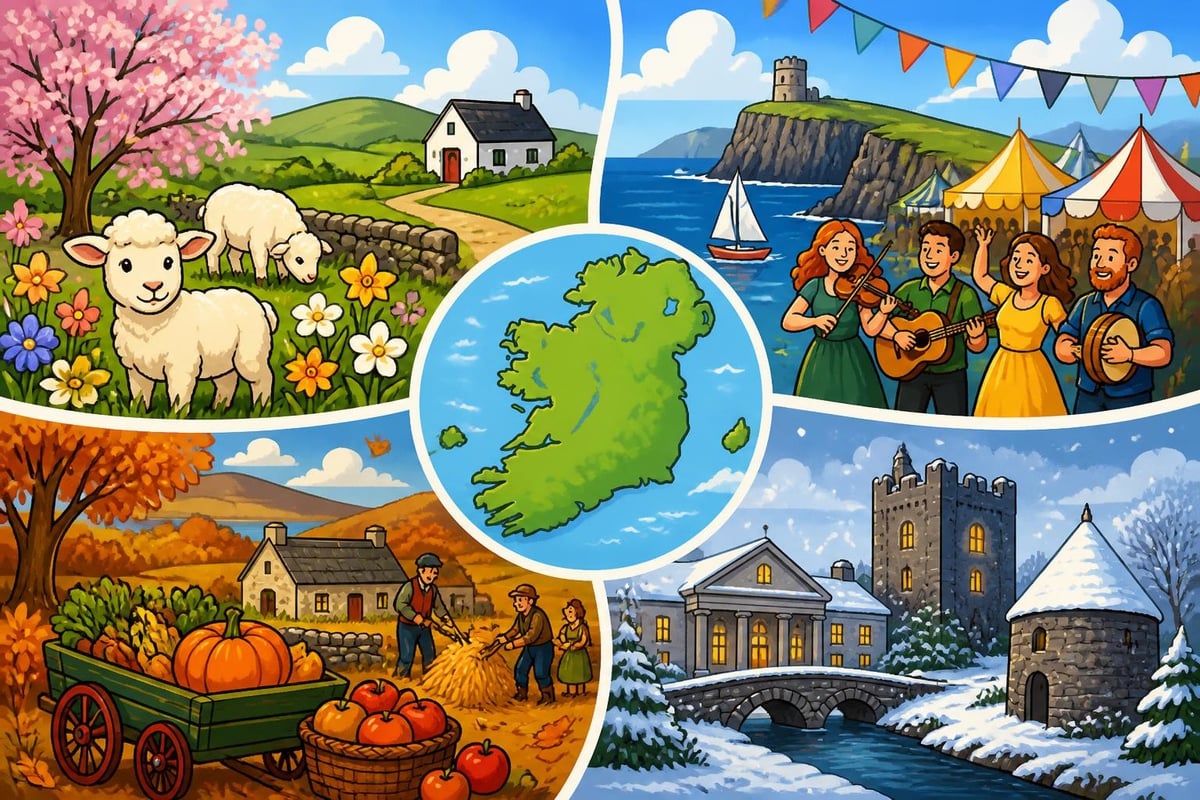
Spring: the awakening of the green island
From March to May Ireland awakens in an explosion of colour and life. Temperatures gradually climb to a pleasant 12-15 degrees, and daylight increases rapidly.
Why spring is ideal:
Less tourist pressure than in summer
Lambing season in the countryside
Blooming daffodils and wildflowers
Longer days for sightseeing
Irish spring does require flexibility in your planning. Rain can fall at any time, but that's part of the island's authenticity. Pack your waterproof jacket and embrace the weather as the Irish do: with a smile and the knowledge that there's always a cosy pub nearby.
Summer: festivals and long days
June to August brings the most visitors to Ireland, and for good reason. With an average of 18 hours of daylight in June and temperatures that can rise to 20 degrees, this is the season for outdoor activities.
September and October offer a unique balance: pleasant weather, fewer tourists and spectacular autumn colours. Nature transforms into shades of gold, red and brown, especially in national parks such as Killarney and Glenveagh.
This is also the season when you encounter the true Irish culture. Locals have more time for a chat, restaurants serve seasonal dishes, and the atmosphere becomes more intimate. For culture lovers, the autumn months are ideal for visiting museums, castles, and historic sites without the summer crowds.
Ireland's natural treasures: from coast to inland
The Irish landscape tells thousands of stories, from glacial valleys to volcanic coasts. Each area has its own character and requires specific planning.
The Wild Atlantic Way: 2,500 kilometers of adventure
This iconic coastal route is the world's longest defined coastal drive. From the Inishowen Peninsula in Donegal to Kinsale in County Cork, the route takes you past spectacular cliffs, hidden bays, and picturesque villages.
Must-see stops along the route:
Cliffs of Moher: 214-meter-high rock faces
Connemara: rugged mountain landscape and turquoise lakes
Ring of Kerry: classic panoramic route
Skellig Michael: UNESCO World Heritage site and Star Wars location
Slieve League: higher cliffs than Moher, but quieter
For a complete experience plan at least two weeks. Divide the route into manageable daily sections of 100–150 kilometers so you have time to stop, hike, and soak up the local atmosphere.
The green heart: the Midlands and Ancient East
While the coast draws attention, Ireland's interior holds archaeological treasures spanning five thousand years of history. The region Ireland's Ancient East stretches from the Boyne Valley to Waterford and Cork.
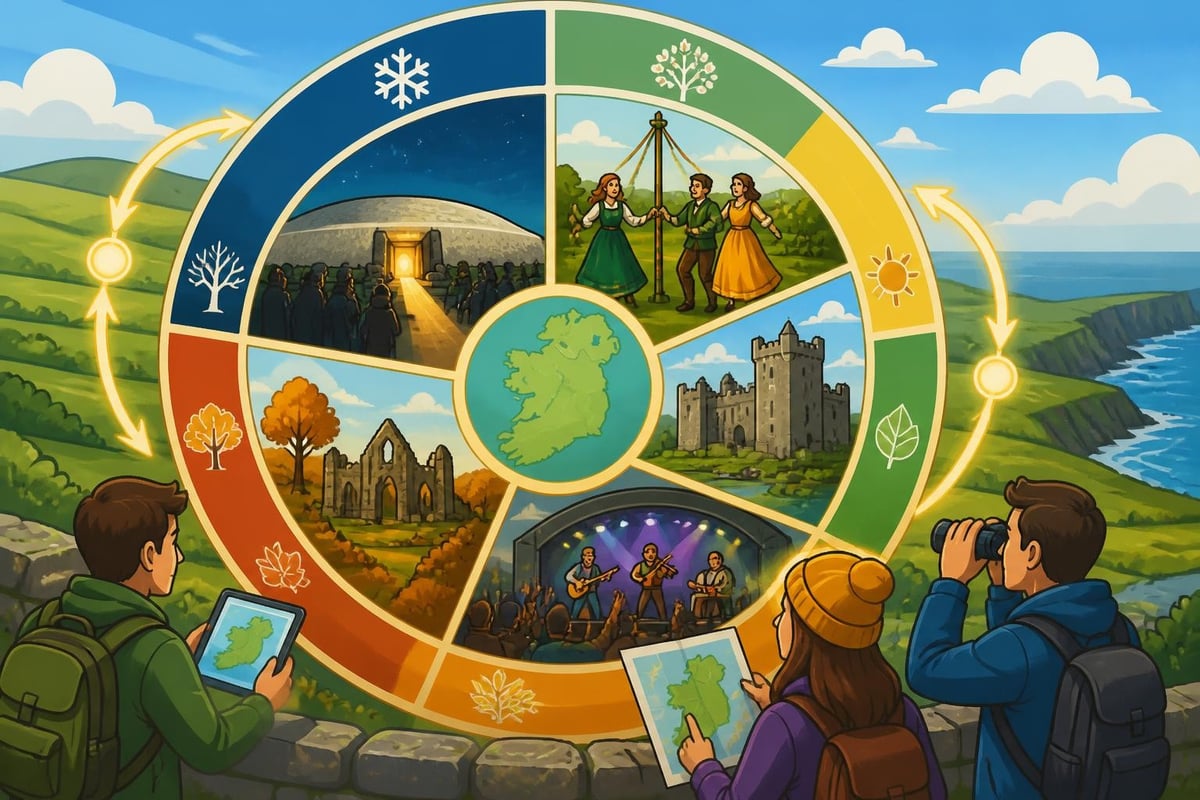
Here you can find Brú na Bóinne with Newgrange, a complex of Neolithic burial monuments older than the Egyptian pyramids. The precision with which this structure was built to capture the rising sun exactly at the winter solstice demonstrates the advanced knowledge of our ancestors.
Towns and villages: urban dynamism versus rural tranquility
Ireland offers a fascinating mix of vibrant cities and timeless villages. Choosing between urban or rural largely determines how you plan your time.
Dublin: compact but diverse
The Irish capital combines medieval architecture with modern vibrancy. In two to three days you can visit the main highlights:
Trinity College and the Book of Kells
Guinness Storehouse and Jameson Distillery
Temple Bar district (daytime, busy with tourists in the evenings)
Phoenix Park, one of Europe's largest city parks
EPIC Irish Emigration Museum for historical context
Dublin often serves as a base, but the real Ireland reveals itself outside the city. So don't plan more than a quarter of your time in the capital.
Galway: cultural capital of the west
This university city on Galway Bay breathes creativity and music. The compact city center is perfect to explore on foot, with colourful facades, street musicians and authentic pubs where spontaneous sessiúns (traditional music nights) happen.
Galway as a base:
Connemara National Park (60 min drive)
Aran Islands (ferry from the harbour)
Kylemore Abbey (75 min drive)
The Burren and Cliffs of Moher (60-90 min drive)
Charming villages that deserve time
Cork, Killarney, Dingle, Westport, Kinsale – each of these places has a unique character. Allow at least half a day for each village in your plans. The magic of Ireland often lies in unexpected encounters and conversations, which don't happen if you rush from one photo op to the next.
Practical planning: from budget to transport
A trip to Ireland requires thoughtful preparation, especially if you want to combine maximum freedom with budget awareness.
A realistic daily budget is between €100 and €200 per person, depending on your travel style and preferences.
Transport: car versus public transport
For optimal flexibility a rental car is indispensable, especially outside cities. Public transport in Ireland is limited in rural areas, and many natural highlights are only reachable by car.
Driving in Ireland: practical tips
Left-hand driving (takes some getting used to for people from the Netherlands)
Narrow country roads with unexpected bends
Sheep on the road are normal
City parking can be expensive (€2-4 per hour)
Petrol is more expensive than in the Netherlands (approx. €1.70-1.90 per liter in 2026)
If you don't want to drive, consider organized day tours from the major cities or focus on one region reachable by bus.
Cultural experiences: more than castles and pubs
Ireland has a cultural richness that goes beyond the obvious tourist attractions. Those who are open to lesser-known experiences discover the soul of the island.
Traditional music and dance
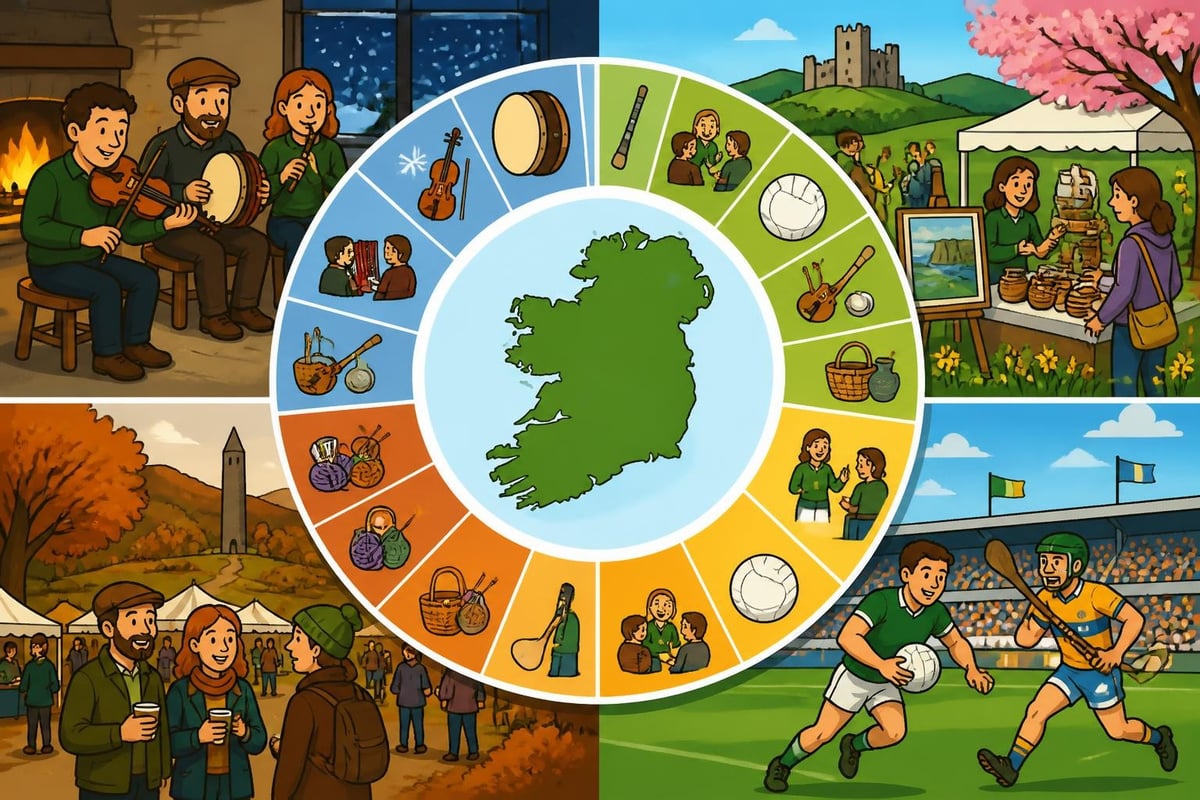
In almost every Irish pub there are weekly music nights, from improvised sessions to organized performances. The best experiences happen in small village pubs, where locals gather to play together. This is not entertainment for tourists, but living culture.
Popular instruments you’ll hear:
Fiddle (violin, typical Irish style)
Tin whistle (flute)
Bodhrán (Irish drum)
Uilleann pipes (Irish bagpipes)
Accordion
Literary heritage
Ireland has produced four Nobel Prize winners in Literature: Yeats, Shaw, Beckett and Heaney. Dublin is a UNESCO City of Literature, and literary tours take you to the places that inspired Joyce, Wilde and many others.
Gaelic sports and local traditions
Hurling and Gaelic football are typically Irish sports that offer insight into local culture. Watching matches at Croke Park (Dublin) or at local clubs creates a connection with the community in a way standard tourism does not.
Avoid fast-food chains and choose family-run businesses
Support farmers by buying directly from farm shops
Respect nature
Ireland’s landscapes are fragile. The Burren, for example, with its unique limestone formations and rare flora, requires careful visiting. Stay on marked paths, take your rubbish with you, and respect private land.
Avoid overtourism
By visiting popular spots outside peak times (early morning, late afternoon) you help spread visitors. Also consider alternative locations: instead of only the Cliffs of Moher, visit Slieve League or Loop Head.
Plan your Irish adventure with the right tools
A trip to Ireland is richer when you think ahead about what you want to experience and when. A good annual planner not only helps organize your trip but also lets you look forward to your adventure.
From dream to reality
Start by marking important dates:
When can you take vacation days?
Which seasons suit your interests?
How much preparation time do you need?
Which festivals or events do you want to experience?
For the year 2027 it is now the ideal time to start planning. Tourism Ireland data shows that booking early not only yields better prices but also more choice in accommodations and activities.
Visual planning for better preparation
A wall calendar or yearly planner offers an overview that digital tools cannot match. You can see at a glance when your trip is scheduled, which preparations you still need to make, and how to make the most of the months beforehand for research and anticipation.
At Kalenderwinkel.nl you can find various planners to help shape your dream trip. From monthly overviews to detailed weekly planners, there is a suitable solution for every planning style. Especially the Floral Splendour calendar 2027 category combines practical planning with visual beauty that inspires all year long.
Monthly milestones toward your trip
12 months before departure:
Decide travel period and duration
Start creating a budget
Research overall route
9 months before departure:
Book flights (often best prices)
Reserve popular accommodations
Apply for passports if needed
6 months before departure:
Book rental car
Reserve special activities (whiskey tours, castles)
Start gathering travel information
3 months before departure:
Finalize daily itinerary
Book final accommodations
Check travel insurance
1 month before departure:
Check travel documents
Download offline maps
Create packing list
Ireland and the Dutch connection
Demographic figures from the Central Statistics Office show a growing international community in Ireland, including many Dutch people. This connection makes travel easier: there are direct flights from Amsterdam, Rotterdam and Eindhoven to Dublin and Cork.
Why Dutch people feel at home in Ireland
The cultural overlap between the Netherlands and Ireland is greater than you might think. Both countries have:
A pragmatic yet warm mentality
A love of sociability (gezelligheid vs. craic)
Rich literary traditions
Compact geographic size with great diversity
A history of emigration and international outlook
Language barrier? Not really
Although Irish (Gaeilge) is an official language, almost everyone speaks fluent English. In Gaeltacht areas (Irish-speaking regions) you’ll hear more Irish, but English is still widely spoken. Dutch visitors with reasonable English will get by easily in all situations.
The Irish year: festivals and events
Each season brings unique events that add extra dimension to your trip. This schedule helps you choose when to go.
Spring: from St. Patrick to literary festivals
March:
St. Patrick's Day (17 March): national holiday with parades
Early Easter period (variable)
April:
Cork World Book Fest
Lambing season on farms
Tourist season opens
May:
Bealtaine Fire Festival
Longer days, perfect walking conditions
Summer: non-stop festivities
June:
Bloomsday (16 June): literary celebration of James Joyce
Galway Food Festival
Midsummer festivals
July:
Galway International Arts Festival
Willie Clancy Summer School (traditional music)
Summer solstice at ancient sites
August:
Rose of Tralee International Festival
Fleadh Cheoil (largest traditional music festival)
Puck Fair (ancient tradition in Kerry)
Autumn and winter: authenticity and traditions
September–October:
Galway International Oyster Festival
Cork Jazz Festival
Harvest festivals in various regions
November–December:
Winter light installations
Traditional Christmas markets
Hogmanay preparations
The winter months (January–February) are quieter but offer authenticity and lower prices. A perfect time for culture lovers and those who avoid the crowds.
Ireland calls and inspires, no matter which season you choose. Whether you dream of green spring valleys, lively summer festivals, colorful autumn landscapes, or cosy winter pubs, this island offers unique experiences for every time of year. With thoughtful planning you’ll get the most out of your visit and create memories that last a lifetime. Start planning your 2027 today and discover the full range of calendars and planners at Kalenderwinkel.nl, where you’ll find the perfect planner to keep your Irish adventure organised and on track.