Everything about the brown Labrador Retriever: color, temperament, life expectancy, care and how much a puppy costs, plus ideas for a beautiful dog calendar.
A brown Labrador retriever (officially called chocolate or liver) is the same friendly, energetic family dog as its black and yellow counterparts, only with a warm, deep brown coat. They live on average 10 to 12 years, need plenty of exercise, and suit families who enjoy being outdoors. Below you can read which colors exist, what the temperament is, what grooming requires, and how you can have the dog you love on your wall all year round.
What colors does a Labrador have?
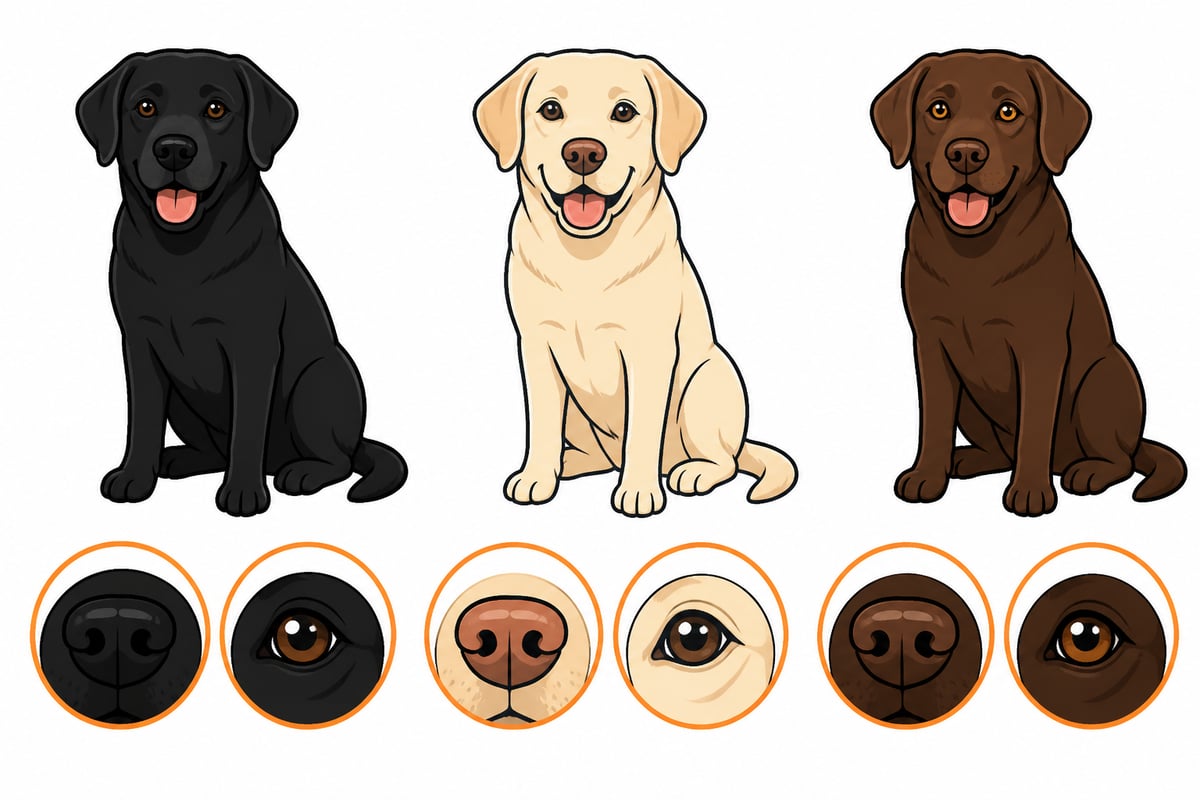
A Labrador occurs in three recognized colors: black, yellow (from cream-white to fox-red) and brown, also called chocolate or liver. The color is determined by two genes. One gene determines whether the dog produces black or brown pigment, the other whether that pigment actually shows up in the coat. A brown Labrador therefore received the brown gene from both parents, which explains why brown puppies are less common than black ones.
The three colors differ in appearance:
Black: uniformly glossy black, sometimes with a small white spot on the chest.
Yellow: from almost white to deep fox-red, with a dark nose.
Brown: from light milk-chocolate to dark pure chocolate, with a brown nose and brown eyes or lighter hazel eyes.
The temperament of a brown Labrador is the same as other colors: friendly, eager to learn, and fond of people. The breed standard of the UKC describes the breed as affectionate and social, a dog that wants to play with almost everyone. That makes it an excellent family dog, also with young children.
Imagine a rainy Sunday morning. The brown Labrador is already at the door, the leash between his teeth, looking at you with those soft, dark eyes. He doesn't want just a walk around the block. He wants you, the ball, and a puddle to jump into. That's them: enthusiastic down to the tip of their tail.
That enthusiasm also has a downside. A Labrador that is bored will chew, dig or whine. He needs work, even if it’s just a treat-finding game in the garden. A solid basic education and a puppy course in the first months will pay off many times over later.
Is there a difference between brown and black Labradors?
There are many stories about a difference in temperament between the colours, but there is no reliable evidence that a brown Labrador is wilder or more stubborn. Character mainly comes from breeding, socialization and training. Therefore choose a puppy based on the parents and how they behave, not based on coat colour.
How old does a brown Labrador live on average?
A brown Labrador lives on average 10 to 12 years, although there are indications that the brown colour has a slightly shorter lifespan than the other two. A British analysis of more than 33,000 Labradors, summarized by Canine Journal, reported a median lifespan of 10.7 years for chocolate Labradors. That is 1.4 years shorter than for black and yellow Labradors.
The picture is slightly different for the Netherlands. A population study by Utrecht University found a median lifespan of 12 years for Labradors in clinical records. In insurance data it was 10 years, compared with 8 years in the comparison group. A Labrador therefore lives on average longer than many other dogs, but it is not an exceptionally long lifespan.
What can you do yourself? Keep your dog lean, give him daily exercise and visit the vet for check-ups. Overweight is the biggest avoidable factor for joint problems in this breed.
How much exercise and care does a brown Labrador need?
An adult brown Labrador needs at least 60 to 90 minutes of exercise a day, preferably spread over two or more sessions. That recommendation comes from the breed guide by Perfect Pet Insurance. A practical breed guide from Animal Friends emphasizes that Labradors are social dogs who enjoy being active with their owner.
Walking alone is usually not enough. Swimming, retrieving and scent work also give him mental challenge, and that makes a significant difference in how calm he is at home.
Coat and grooming
The short, dense coat of a brown Labrador is easy to care for, but he sheds all year round and more heavily in spring and autumn. Brush him once or twice a week, more often during shedding seasons. Don’t bathe him too often, as that removes the natural oils from the coat.
Ears, nails and teeth
Floppy ears retain moisture, especially after swimming. The Utrecht study showed that ear problems appeared relatively more often in insurance claims for Labradors than in the comparison group (RR 5.3). So clean the ears regularly and dry them after a dip. Also check the nails and brush the teeth so that small issues don’t turn into vet visits.
Can a Labrador be alone for 8 hours?
An adult Labrador can be alone for 8 hours if that remains an exception, but it is not an ideal situation. The breed is strongly people-oriented and quickly becomes bored or stressed if left alone for long periods daily. A puppy or young dog must learn to be alone step by step, starting with a few minutes and slowly building up. First walk out of the room briefly, come back before he starts to whine, and only extend the time if he stays calm. Don’t make leaving and coming home a big fuss; he will get used to your comings and goings faster.
Do you have a full workweek? Then consider a midday dog-walking service, dog daycare, or a neighbor who can stop by. A long walk before you leave and a chew bone or snuffle mat for your dog also help. A snuffle mat in which you hide a handful of kibble keeps him busy for about fifteen minutes, and a tired dog will sleep the rest of the morning. Also remember that after such a long day he will need extra attention and exercise: the 60 to 90 minutes per day don’t disappear because you were away. Plan it visually as well: a yearly calendar in the kitchen where you note walk times, vet appointments and holidays gives the whole family an overview of the tasks around the dog.
How much does a brown Labrador puppy cost?
The price of a brown Labrador puppy depends on the breeder, the health tests of the parents and the pedigree. We do not name an exact price here because it varies widely and differs per breeder. Always ask for the health checks of both parents (hips, elbows and eyes) and visit the puppy and the mother in their own environment. See how the mother reacts to strangers, whether the puppies are clean and curious, and whether you can see the father or at least get his details.
Also pay attention to the brown color itself. Because brown occurs less often, some sellers charge a premium for the color. That is no reason to skip health checks. A cheap puppy without papers can turn out much more expensive later, for example due to joint problems or the ear infections this breed is prone to.
Also budget for annual costs: food, insurance, vaccinations, a puppy course, and a good crate or bed. Also consider smaller purchases like a leash, harness, food bowl, chew toys, and a brush for the coat. Put recurring expenses into an overview, for example in your planner, so you know what the dog costs per month and per year. A puppy is an investment for more than ten years.
Practical tips: bringing a brown Labrador into your home
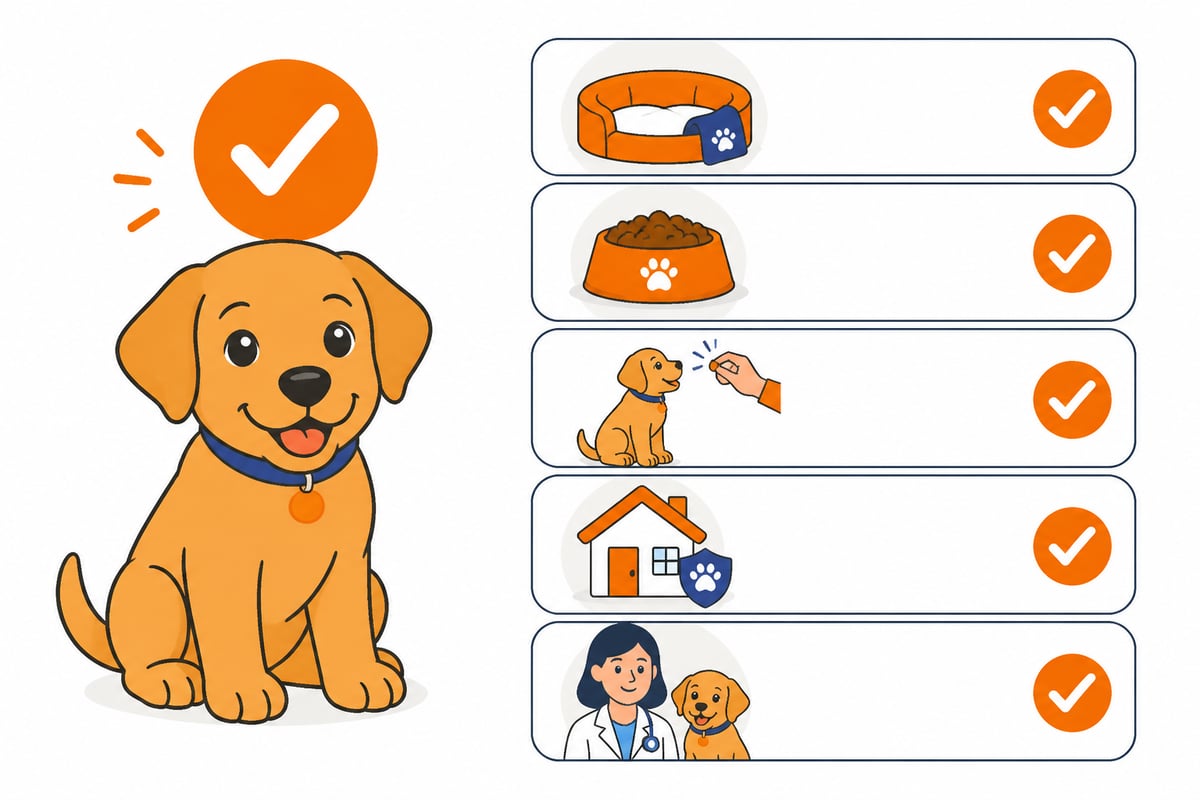
Bringing a chocolate/brown Labrador into your home requires preparation, and a few things will make the first weeks much smoother:
Provide a fixed sleeping place in a quiet, warm spot. Put the bed or crate away from drafts and out of the walkway so your puppy can sleep without perking up at every noise. A young dog sleeps a lot, so let him rest undisturbed during the day as well.
Choose food suitable for his age and measure portions. Labradors like to eat and eat a lot, and weight gain can sneak up quickly. Stick to the amount on the packaging or the breeder's advice, and count small treats given during training toward the daily total.
Start from day one with short training sessions. Five minutes of sit, wait, or coming back when called is enough. Always end with something the dog can do, so your dog stays enthusiastic.
Set rules that everyone in the household follows. Is he allowed on the couch? Does he get anything from the table? If one person says yes and another says no, your puppy will be confused.
Schedule the first vet appointment and vaccinations in time.
Use a planner or calendar to keep track of everything. The Hond & Co Agenda 2027 is a lovingly compiled planner with practical information about care, behavior, nutrition, and health, and with beautiful photos of dog breeds. Record the dates of vaccinations in it, the start of puppy class, and the moments when you change the food or daily walks.
A brown Labrador on the wall: calendars to enjoy
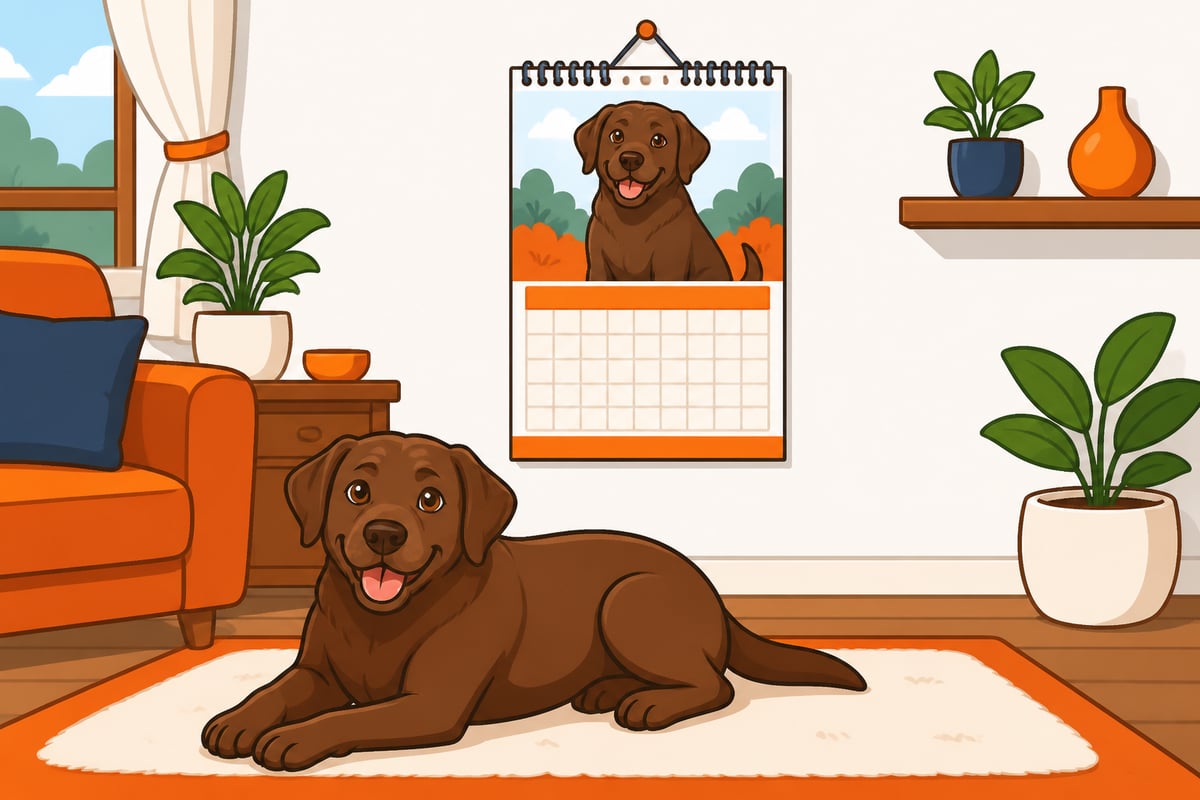
Anyone who loves a brown Labrador can enjoy their favorite breed all year round. A dog calendar is a lovely gift for yourself or another dog lover, and it's useful too: at a glance you can see vet appointments, vaccinations and vacations.
On Kalenderwinkel.nl you’ll find a number of calendars featuring brown Labradors:
For a larger size there is the A3 calendar with brown Labradors, which puts each photo prominently on display.
A calendar with beautiful photos often works better than a digital agenda because you look at it every day. Hang it in the hallway, on the fridge, or at your workspace, and start the day with a smile.
FAQ
Are brown Labradors less healthy than black ones?
There is evidence that chocolate Labradors live slightly shorter lives on average, as shown by the British analysis of more than 33,000 dogs. That does not mean every brown dog will have health problems. A responsible breeder who has parents tested clearly reduces the risk.
How big does a brown Labrador get?
An adult Labrador is a medium to large dog. The UKC breed standard provides guidelines for height at the withers and weight that apply across all colors. Males are generally a bit larger and heavier than females.
Does a brown Labrador shed a lot?
Yes, a brown Labrador sheds all year round, with peaks in spring and autumn. Regular brushing keeps the hair in the house to a minimum. A good vacuum cleaner is simply part of owning a Labrador.
Grab your current planner today and write down upcoming dog appointments, from vaccinations to the first puppy class. If you want a nice calendar or planner for that, check out the Hond & Co Agenda 2027 or one of the brown Labrador calendars. If you order on weekdays before 16:00, your package ships the same day, and shipping within the Netherlands is free from €49. Take a look and discover the full range at Kalenderwinkel.nl: Browse the selection and choose the calendar that makes your year better.